Signal blocks screenshots to keep AI agents out of your chats
Signal is switching on screenshot blocking by default, warning that AI agents built into phones are becoming a threat to private messaging.
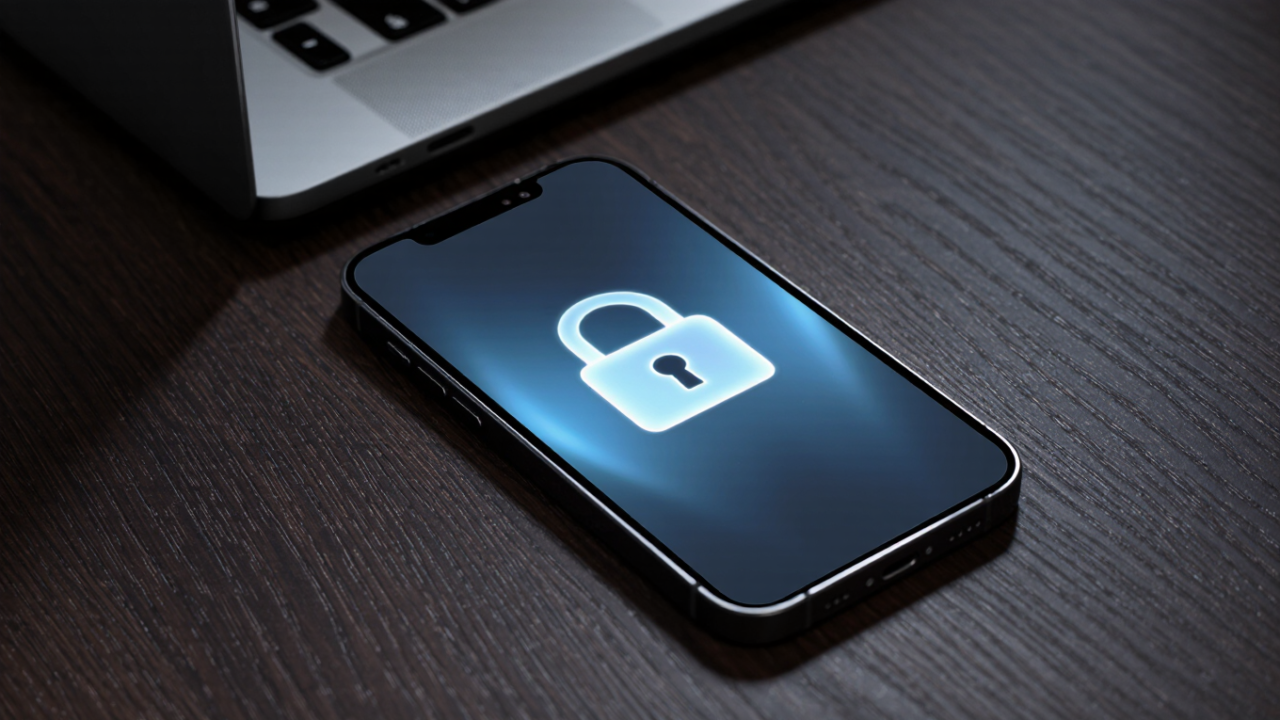
Encrypted messaging app Signal is switching on screenshot blocking by default to stop AI agents from reading private chats on phones. The company warned that the tech industry’s rush to build AI into devices is eroding its ability to guarantee privacy, Reuters reported.
In a blog post, Signal president Meredith Whittaker said AI agents built into operating systems are making the phone environment “increasingly hostile to privacy”. She called it “an existential threat to Signal”.
What Signal is changing
The new settings block screenshots on people’s phones. Depending on the device, users will see a pop-up when Signal detects a screenshot attempt or an AI assistant trying to read the screen, and can choose to switch the block off.
Signal admits the protections are “incomplete”. It singled out assistants built deep into phones, such as Apple’s Siri AI and Google’s Gemini Intelligence, as a particular worry. It wants Apple, Google and Microsoft to give app makers simple ways to opt out of screen reading, notifications and file access by AI assistants, and to explain how their agents handle data.
Signal already blocked Microsoft’s Recall feature from taking screenshots on Windows last year, but says it cannot reliably do the same on Apple’s macOS. Apple, Google and Microsoft did not immediately respond to Reuters’ requests for comment.
The warning follows a Reuters report last week that Meta’s Muse agent was able to pull Signal messages on an Apple computer and an Android phone using broad system permissions. Meta said agents need to see and use people’s devices to work for them, and that Muse only reaches other apps through permissions users grant.
What this means for South Africans
Signal users in South Africa may soon see the new screenshot pop-ups on their phones. The same worry is shaping how local banks treat AI agents. FNB, Discovery Bank and Capitec have said they don’t allow third-party AI agents into customer accounts, and Absa has warned that customers who hand over their logins could be held liable for losses, TechCentral reported.
Earlier this month, Meta staff also raised concerns that Muse had mixed up private data.
Source: Reuters via TechCentral