SAFARI-1 replacement delays put SA’s medical isotope role at risk
Plans to replace the ageing SAFARI-1 research reactor at Pelindaba are running years behind, while its licence is due to expire in 2030.
South Africa’s plan to replace the SAFARI-1 nuclear reactor at Pelindaba is running well behind schedule. That is a problem, because the 61-year-old reactor supplies a large share of the world’s material for medical scans, MyBroadband reported.
Cabinet approved a new multi-purpose reactor more than five years ago, but construction is still likely many years away.
Where the project stands
The Nuclear Energy Corporation of South Africa (NECSA), which runs the Pelindaba site near Hartbeespoort, had hoped to start building in March 2025. Instead, feasibility studies were only finished in the 2024/25 financial year.
NECSA has only now put out a tender for ground surveys at a possible site, closing on 2 December 2026. A separate tender for a seismic hazard study closes on 9 December. The main building contract is pencilled in to close on 15 May 2027.
SAFARI-1’s operating licence expires in 2030. NECSA says it can be extended, but that depends on engineering checks and inspections. An International Atomic Energy Agency (IAEA) visit in February found the reactor performing well, though it recommended stronger management of its ageing parts. A follow-up visit is planned for 2028.
Why it matters more than Koeberg to the world
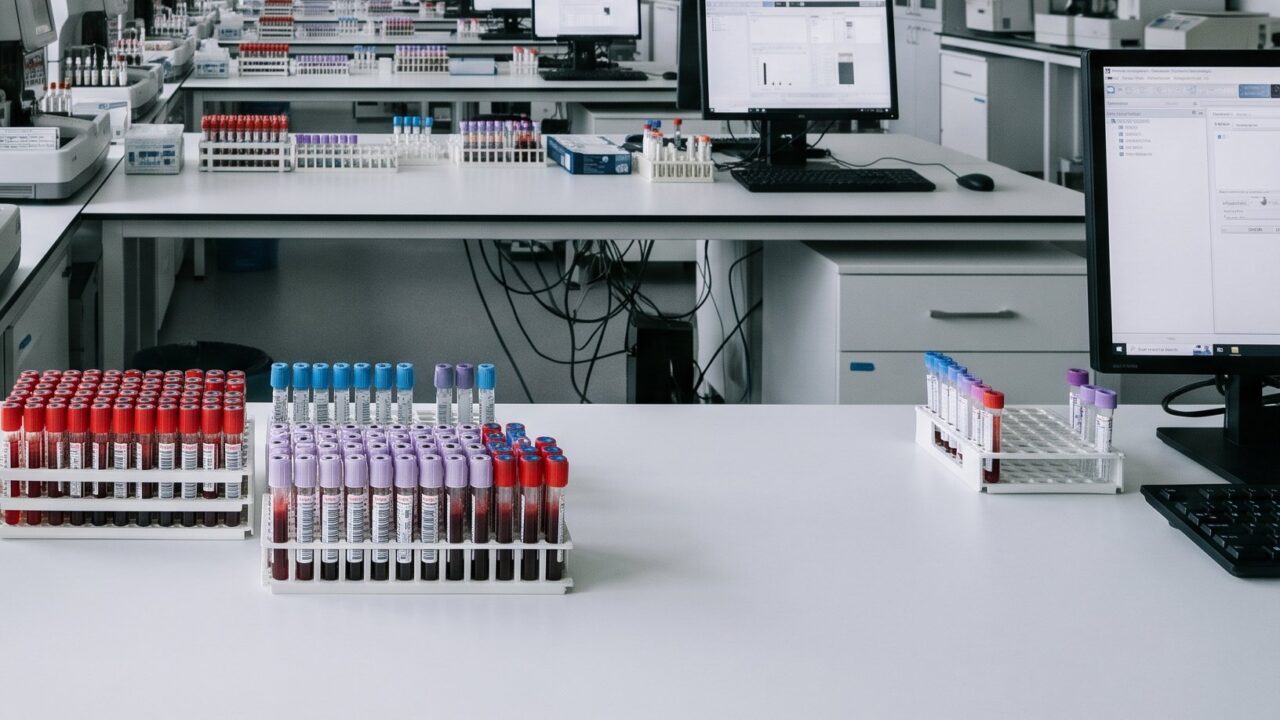
Unlike Koeberg, SAFARI-1 does not make electricity. It is a research reactor that produces medical isotopes, mainly molybdenum-99 (Mo-99). Mo-99 is used to make technetium-99m, which goes into tens of millions of diagnostic scans for cancer, heart disease and other conditions every year.
The IAEA puts SAFARI-1’s share of world Mo-99 supply at about 20%. NTP Radioisotopes, the NECSA subsidiary that sells the isotopes, says it is closer to a third.
The reactor first went critical on 18 March 1965, making it Africa’s first nuclear reactor. It is also a key training ground for South Africa’s nuclear scientists and engineers.
What this means for South Africa
NECSA itself has raised concerns about the delays, especially in getting National Treasury approval to go out to tender. A draft assessment report warned that without a timely replacement, the country would lose its ability to keep up isotope production, materials testing and nuclear research.
NECSA CEO Loyiso Tyabashe told Reuters earlier this year that he wants the old reactor to keep running while the new one is commissioned, so no gap opens for a rival supplier. “Once customers are gone, they are gone,” he said.
Source: MyBroadband