Eskom Green tender rules shut out local renewable firms, analyst says
Energy analyst Chris Yelland says Eskom Green's qualifying rules for up to 6 GW of solar, wind and batteries mean almost no South African developer can lead a bid.
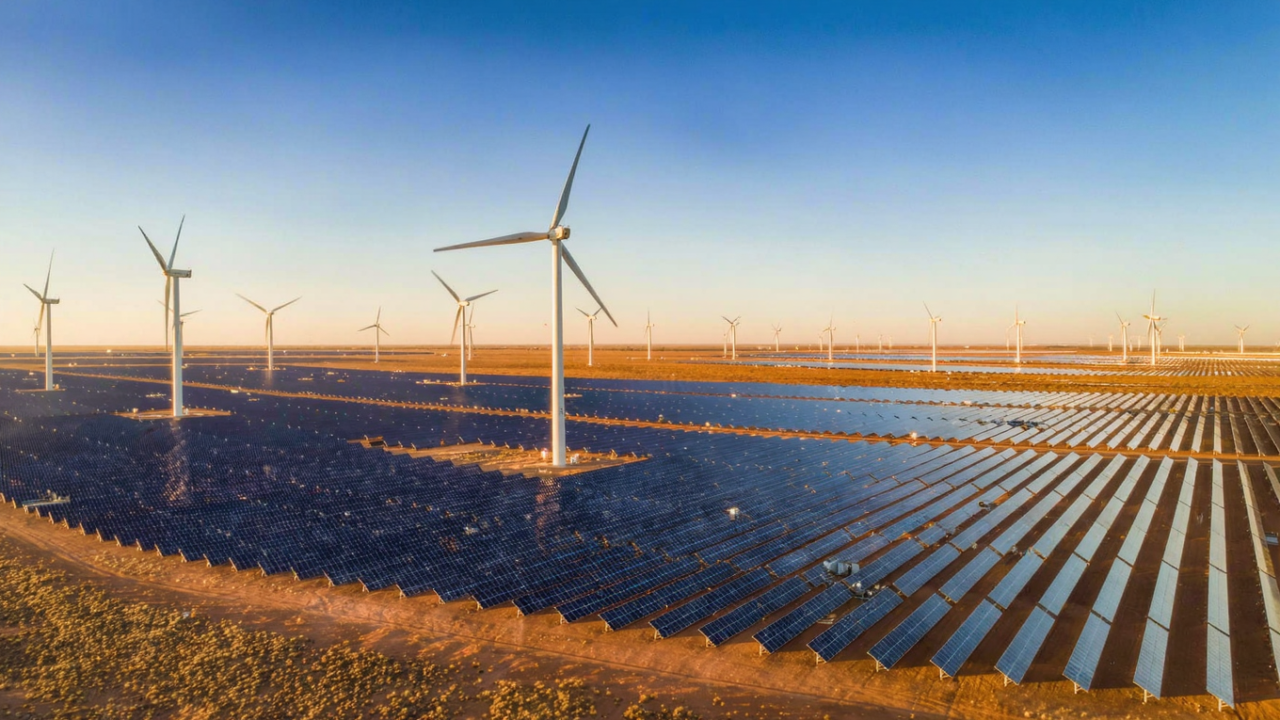
South African renewable energy developers who built the country’s independent power industry over 15 years cannot lead bids in Eskom’s biggest green energy tender yet. That is the argument from energy analyst Chris Yelland, writing in MyBroadband, who says the qualifying rules for Eskom Green favour large foreign companies.
Eskom issued the request for qualification on 2 October 2026 to choose strategic partners for Eskom Green, its new renewable energy subsidiary. The plan is a five-year panel of partners to help develop, finance and build up to 6 GW of solar, wind and battery storage. Responses close on 12 January 2027.
The 240 MW hurdle
A lead bidder must pass four pass-or-fail tests. It needs one operational solar or wind project of at least 240 MW (or a 600 MWh battery), and at least three operational projects of 100 MW or more adding up to 800 MW. Consortiums also need signed power deals totalling 1,000 MW and net assets of at least R5 billion.
Yelland calls the 240 MW rule “the killer”. Eskom’s own clarification notes record that only one operational project of that size exists in South Africa: the Mooi Plaats solar plant near Noupoort, owned by Envusa Energy, a joint venture of Anglo American and France’s EDF. Even Envusa falls short of the 800 MW portfolio test on its local assets.
Local players such as SOLA Group, Red Rocket, NOA Group, Seriti Green and Mulilo all miss the mark for now, he writes. Some have bigger plants coming, but only after the closing date.
He argues the gap is of the state’s own making. For years the government’s renewable programme capped projects at about 75 MW for solar and 140 MW for wind, so local firms built many mid-sized plants rather than giant ones.
What this means for South Africa
Eskom told bidders the rule was not meant to exclude local firms, but it turned down every proposed fix. Yelland expects the leads to be global players with gigawatt-scale fleets, with local developers joining as junior partners.
He says this repeats last year’s transmission lines tender, where all seven pre-qualified bidders were led by international companies. Clarification questions close on 30 November, and he says Eskom still has time to change the rules, for example by counting large projects that have reached financial close.
Source: MyBroadband